
How Long Will My Retainer Last?

November 9th, 2022

You’ve worked hard for your attractive, healthy smile, and now you’re making sure it stays attractive and healthy by wearing your retainer. Since wearing a retainer is usually a matter of years, not months, it’s natural to wonder just how long you can count on that retainer to help you maintain your smile.

That answer depends on the type of retainer you get at our Edwardsville office. A Hawley retainer, a clear retainer, and a fixed wire retainer have different lifespans. Because they each have their own advantages, Dr. Elizabeth Hite, DMD, MS will recommend the retainer that’s right for protecting your individual smile.

So let’s look at the average lifespan for different retainers, and, equally important, some of the common mishaps that can shorten that working life.

The Hawley Retainer

This is the retainer most people picture when they think “retainer.” Made of wire securely attached to an acrylic base, the Hawley retainer keeps the teeth in place, and can even be adjusted, if needed, to improve alignment. They generally last anywhere from three to ten years.

How can you make sure your Hawley retainer keeps working for you as long as possible?

  • Keep it in its case. While some damages to these retainers can be repaired, why take a chance? And it’s much harder to lose a retainer if it’s in its case as opposed to, say, a cafeteria napkin.
  • Keep it away from your pet. Dogs, especially, are tempted by the taste and smell of saliva, but there are safer, less expensive chew toys out there.
  • Keep wearing it. Without your retainer, your teeth can shift. Over time, not only will your retainer fail to fit anymore, but you might need to return for further orthodontic treatment. If you notice your retainer is starting to feel uncomfortable, give your orthodontist a call.

The Clear Retainer

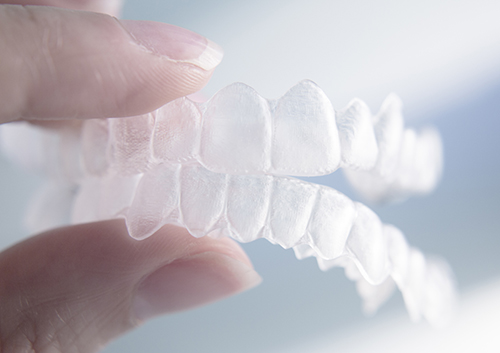
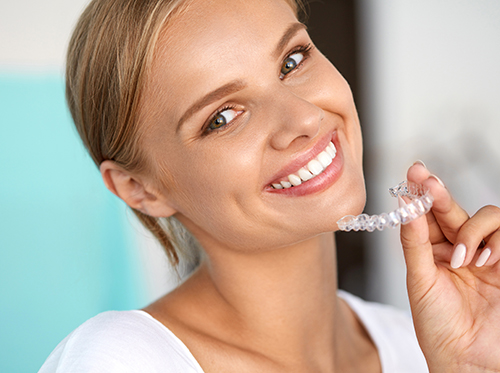
Clear retainers look like clear aligners, and, like clear aligners, are almost invisible. Made of vacuum-formed plastic, they’re designed for a close, comfortable fit, often around the entire arch of your teeth. Also like clear aligners, these retainers aren’t made to last forever. If they become loose, warped, or cracked, they should be replaced. With care, they can last from six months to several years. How to protect them?

  • Protect your retainer from damage. Keep it in its case when you’re not wearing it. You’ll avoid losing it, and you’ll avoid damaging it.
  • Protect it from teeth. And we don’t just mean pets, although they find clear retainers yummy, too. If you grind your teeth, your retainer can suffer. Clear retainers are not the same thing as night guards, so talk to your orthodontist for recommendations.
  • Protect it from heat. Hot surfaces like ovens or heaters, hot dashboards, washers and dryers, even very hot drinks can be a problem. (You should only be drinking water while you wear your clear retainer, so that particular issue shouldn’t arise!)

The Fixed Retainer

A fixed retainer is a small piece of wire that is custom-fit and bonded to the back of specific teeth to prevent any movement from occurring. Because it’s bonded to the inside of the teeth, a fixed retainer is completely invisible when you speak or smile. It can last five years, ten years, and in some cases, even longer. Even though you won’t be exposing this retainer to external dangers like hungry pups or the wash-and-rinse cycle, there are still some situations to watch for:

  • Watch your diet. The same sticky, crunchy, or hard foods that can damage brackets and wires can also loosen a fixed retainer.
  • Watch your dental hygiene. While cleaning around a bonded retainer can be a bit challenging, not cleaning around it can result in plaque and tartar buildup—and your retainer might have to be removed to clean your teeth.
  • Watch for changes. If your teeth start to shift, it could mean your retainer has detached from one or more teeth. Ask your dentist to check the retainer’s bond whenever you have a checkup.

So, how long will that retainer last? Depending on the kind of retainer you have, if you don’t keep it in its case, or if you don’t watch your diet, or if you expose it to heat, the answer is—not nearly long enough. Dr. Elizabeth Hite, DMD, MS will give you the very best tips to keep your retainer clean, safe, and working for as long as possible. Now, it’s up to you!

Orthodontic Myths

November 2nd, 2022

Some myths never wear out their welcome. If the Tooth Fairy helps your child transition from baby teeth to adult teeth, more power to her! On the other hand, some myths we can do without. Here are five common misconceptions about orthodontics, and the reality behind the myth.

  • It’s Only Cosmetic

If you think orthodontists can make a crooked smile straight, you’re right! Creating a beautifully aligned smile is one of our specialties. And if your primary interest is in a straight, even smile for you or your child, that’s a good thing. You can’t underestimate the confidence a beautiful smile brings. But please don’t think that’s all we do. In orthodontics, aesthetics and function work together. An essential part of an orthodontist’s work is diagnosing and treating malocclusions, or bad bites. The correct alignment of teeth and jaw is what makes a beautiful smile a healthy one as well.

  • I Don’t Need an Orthodontist for Orthodontic Treatment

All dentists receive comprehensive training and experience in order to earn their dental degrees. But did you know orthodontists like Dr. Elizabeth Hite, DMD, MS receive two to three years of additional formal training, concentrating specifically in the field of orthodontics? An orthodontist is a specialist, and diagnoses and treats problems with tooth alignment while taking into account dental, jaw and facial development. That is why an orthodontic specialist is best qualified to create a unique, custom-tailored treatment plan for each patient in order to achieve a beautiful, balanced, and healthy smile.

  • My Child is Too Young for Orthodontic Treatment

We actually recommend that every child see an orthodontist for an evaluation by the age of seven. It’s important to be aware of any potential orthodontic problems that might affect your child’s later years, but we can also treat problems even before braces are on the horizon. If your child’s mouth is very small, we may recommend gently enlarging the upper dental arch with the use of a palatal expander to accommodate adult teeth as they erupt. If a baby tooth is lost too soon, we can provide a space maintainer so your child’s permanent tooth can erupt in the right place. We can even treat bite problems before all the adult teeth arrive. A visit when your child is young might help prevent the need for more complicated treatment in the future.

  • I’m Too Old for Orthodontic Treatment

You’re really not. As long as your teeth and gums are healthy, orthodontic treatment is a great way to keep them healthy. Crowded teeth and malocclusions can lead to problems like worn or cracked enamel, headaches, jaw problems, increased tooth decay, and periodontal disease, to name but a few. And today’s orthodontics offer a much wider variety of treatment options than the metal gear you remember from your high school days. Which leads us to our last myth of the day:

  • Those Metal Braces Aren’t for Me

In that case, it’s a good thing we have many other options to offer. Ceramic brackets and clear elastic ligatures make traditional braces much less visible. Lingual braces use brackets and wires placed behind the teeth, which are almost impossible to detect. And clear aligners allow you to subtly reposition your teeth with each new aligner tray—and are removable if need be. In fact, even those metal braces you might remember from your own high school days have gotten smaller and sleeker. Talk to us about the many discreet options available for older and younger patients.

If you are interested in what orthodontics might do for you, give our Edwardsville office a call! We are here to help you discover what’s possible and then to design the best possible treatment plan in order to achieve it.  Let’s make your beautiful, healthy smile a reality!

Fall Holiday Guide for Braces

October 5th, 2022

If this is your child’s first holiday season with braces, here are some tips on how to help children get the most enjoyment from these celebrations without compromising their braces or leaving them feeling left out of the festivities.

Halloween

When you think dental health, “Halloween” is not usually the first thing that comes to mind. Halloween can be tricky, but with some planning and intervention, you can make sure your child doesn’t miss out on the treats that make the holiday a favorite.

Braces present other challenges besides dealing with the scary amount of sugar in every trick-or-treat bag. Certain treats can be a challenge to clean from braces, and can even cause broken brackets and wires. How to avoid these frightful results?

  • Go through your child’s treat bag when you get home after neighborhood trick-or-treating. Anything which can damage braces, such as regular gum, candy with nuts or caramel, or hard or chewy candies should be discarded. Perhaps you and your child can choose a selection of soft candy such as plain chocolate and peanut butter cups to trade for those tricky treats. Your child’s favorite soft fruits, cupcakes, and cookies could also be safe substitutes.
  • Party time? Candy apples, bowls of candy corn, and popcorn balls are favorite treats at Halloween parties, but very bad for braces. Help your child recognize what should be avoided before attending, and suggest safe options like soft cupcakes.
  • Finally, even safe treats will leave more sugar than normal in your child’s mouth and therefore more potential for plaque build-up. Brush and floss more often, if needed, and rinse regularly with water.

Talk candy guidelines over in advance with your child. If you’d like, Dr. Elizabeth Hite, DMD, MS can recommend safe alternatives. With your help, Halloween won’t be a fearsome experience for you or your trick-or-treater.

Thanksgiving

Now, this is a holiday to be thankful for! Almost all of your traditional favorites are perfect for family members with braces.

  • Appetizers: Offer soft food options such as silky cheeses and deviled eggs instead of crunchy vegetables, chips, and nuts.
  • Dinner: Turkey is a required dish on many tables, and no need to miss out! Just make sure pieces are bite-size and off the bone. Creamy mashed potatoes and gravy and jellied cranberry sauce are also braces-friendly traditions. Any cooked vegetable should be fine, but do cut the corn from the cob first. Dressing is a great side dish if your child avoids any crunchy tops and edges, as are soft, nut-free rolls and muffins.
  • Dessert: Pumpkin pie, cheesecake, and apple pie with ice cream are all safe (and delicious) choices. Leave the pecan pie, caramel sauce, and anything nutty or chewy off your child’s menu. And remember to brush and floss carefully after the feast!

If you are concerned that following the usual food guidelines might be a little more difficult during this time of year, talk to us. Dr. Elizabeth Hite, DMD, MS and our team are happy to suggest ways to make your child’s first holidays with braces memorable for all the right reasons. The last thing you’ll want is an emergency visit to our Edwardsville office!

The Herbst® Appliance

September 28th, 2022

Maybe you’ve known people with braces and aligners—maybe you’ve worn them yourself!—so if braces or aligners are in your teen’s future, you have some idea what to expect and when to expect it.

But quite often, orthodontic issues require more treatment than braces alone can provide. When misalignment affects not only the teeth but the jaw as well, treatment can be more effective when it begins earlier and makes use of a different kind of appliance—the “functional appliance.”

During the years your child’s bones are still rapidly growing and forming, around the ages of eight to 14, functional appliances can help guide tooth movement and encourage jaw growth and development. One of the most widely used of these devices is the Herbst® appliance.

What does the Herbst appliance do?

There are several types of malocclusions, or “bad bites” treated by Dr. Elizabeth Hite, DMD, MS. A common condition called a Class II malocclusion occurs when the upper jaw and teeth project too far forward over the lower jaw and teeth. Signs of a Class II malocclusion might include an overjet (protruding upper teeth), and/or a small or recessive lower jaw.

While correcting this malocclusion often enhances facial symmetry, which can be very important for a child’s confidence, correcting a Class II malocclusion also promotes jaw and dental health. Misaligned teeth are more difficult to clean, which can lead to decay and gum disease. Bite problems can cause persistent jaw pain and damage to the teeth. And, with an overjet, a child’s upper teeth are more at risk for injury.

The Herbst appliance was developed to treat this kind of malocclusion. It moves the lower jaw and teeth forward to create a balanced, healthy smile.

How does the Herbst appliance work?

The Herbst appliance is fixed in place with stainless steel bands or crowns that are secured to four teeth in the rear of the mouth, often the first molars on each side of the upper and lower jaws. The band or crown on each lower tooth is equipped with a small bar that extends toward the front of the mouth.

An arm on each side links the bands or crowns on the upper teeth to the front of the bar assemblies on the lower teeth. Each arm consists of a rod that fits smoothly into a tube. The telescoping action of the rod and tube allows the mouth to open and close normally. When the mouth is closed, the arms on both sides telescope shut, forming compact cylinders that hold the jaw forward.

While a child’s bones are still growing, the lower jaw’s new forward position can stimulate further bone growth and remodeling to maintain the jaw in that forward position. The Herbst appliance also has a restraining effect on the forward movement of the upper jaw. The result is a steady, noticeable improvement in the relationship between the upper teeth and jaw and the lower teeth and jaw.

Is the Herbst appliance hard to take care of?

The Herbst appliance is fairly low maintenance, but, like any orthodontic gear, it should be treated with care.

  • It’s important to watch your child’s diet, because sticky, crunchy, and chewy foods can damage the appliance. Save the caramels for a post-treatment celebration!
  • Carefully cleaning around the appliance is necessary, because a buildup of bacteria and plaque leads to consequences like bad breath, gum disease, and tooth decay. A water flosser can make reaching and cleaning tight spots easier if a brush alone isn’t effective.
  • If the Herbst appliance is damaged, some minor fixes might be doable at home with instructions from your treatment team. But if a band or crown comes loose, or if there’s a problem you’re unfamiliar with, call our Edwardsville office right away.
  • To help avoid the need for minor (or major) fixes, playing with the appliance with fingers or tongue, nibbling on pens and pencils, chewing on ice, or any other risky habits should be strictly off limits.

When it comes to your child’s health, you always have high expectations. Dr. Elizabeth Hite, DMD, MS and our team have all the answers you’ll need about what to expect from this phase of your child’s orthodontic treatment, and just why the Herbst appliance is the very best option to create a future of attractive, healthy smiles.

Back to Top
Contact Us!
call email